


JOURNAL
Cadillac Escalade IQ
By Alaa Halabi
Cadillac Escalade IQ: American Luxury Enters the Electric Age
There are moments in automotive history when a brand must choose between preserving heritage and embracing inevitable change. Cadillac faces that moment with the Escalade IQ, an all-electric reimagining of America's most iconic luxury SUV. This isn't a half-measure plug-in hybrid or a modest electric variant alongside combustion models. This is a ground-up electric vehicle that reimagines what an Escalade can be while maintaining everything that made the nameplate culturally significant for over two decades.
The stakes are enormous. The Escalade isn't just another Cadillac model. It's a cultural icon, a status symbol, a vehicle so embedded in American luxury consciousness that its silhouette alone communicates success and arrival. Electric propulsion threatens to dilute that heritage if executed poorly, but promises to amplify it if Cadillac gets the formula right. Based on specifications and early information, the Escalade IQ appears to get it very right indeed.
Presence Amplified: Design That Commands Attention
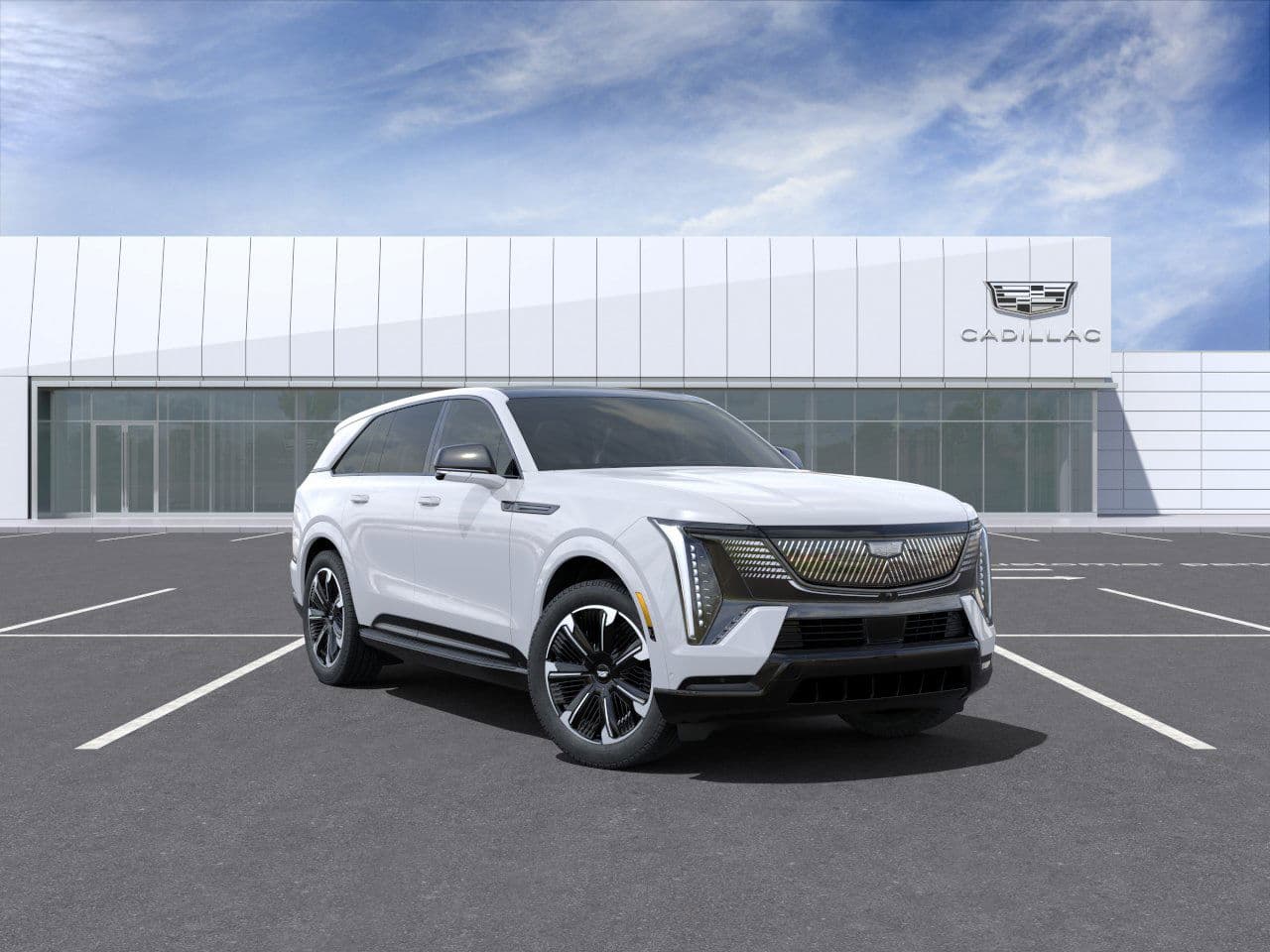
The Escalade IQ maintains the visual drama that defines its combustion-powered siblings while incorporating design elements that signal its electric nature. The front fascia retains vertical LED lighting signatures that have become Escalade trademarks, but the grille area is reimagined as a primarily closed surface with active shutters that open when cooling demands require. This approach maintains visual continuity with the existing Escalade while acknowledging that electric powertrains don't need massive air intakes for combustion cooling.
The proportions shift subtly but significantly. The hood sits lower thanks to the absence of a large V8 engine. The roofline can stretch longer because there's no transmission tunnel limiting interior packaging. The wheelbase extends to nearly 3.5 meters, providing exceptional interior space and contributing to the stability that benefits large vehicles at highway speeds. The overall length approaches 5.7 meters, making this among the largest electric vehicles currently in development.
The side profile emphasizes the Escalade IQ's width and presence through character lines that run the vehicle's full length. Large wheels, ranging from 23 to 26 inches depending on specification, fill the wheel arches dramatically. Flush door handles deploy when needed, reducing aerodynamic drag while maintaining clean surface aesthetics. The greenhouse maintains excellent visibility despite modern design trends toward smaller glass areas, acknowledging that SUV buyers appreciate seeing their surroundings clearly.
The rear design incorporates full-width lighting similar to current Escalade models but with enhanced LED graphics that create distinctive nighttime signatures. A subtle spoiler integrates into the roof edge for aerodynamic benefit without appearing overtly aggressive. The lower fascia hides the charging port behind a motorized panel that blends seamlessly when closed. Every detail reflects careful consideration of how to modernize the Escalade's visual identity without abandoning what made it recognizable and desirable.
Power and Performance: Electric Muscle
The Escalade IQ's powertrain specifications reveal Cadillac's commitment to maintaining performance leadership despite the shift from combustion to electric propulsion. Dual electric motors, one per axle, provide all-wheel-drive capability and combined output exceeding 750 horsepower with over 1,000 lb-ft of torque. These aren't theoretical peaks that require specific conditions; this is available power that arrives instantly the moment you request it.
Zero to 100 kilometers per hour acceleration happens in approximately 4.5 seconds, genuinely impressive for a vehicle weighing around 4,000 kilograms. This isn't just quick for a large SUV; this is quick by any standard, approaching performance that would have required dedicated sports cars a generation ago. The torque delivery characteristic of electric motors means this acceleration feels even more dramatic than the numbers suggest, with no waiting for revs to build or transmissions to downshift. You request speed, and the Escalade IQ delivers immediately and relentlessly.
Top speed is electronically limited to protect battery range and manage heat generation, likely around 200 kilometers per hour. This represents pragmatic recognition that large SUVs aren't built for sustained high-speed running, though the Escalade IQ certainly possesses the power to exceed this limit if unconstrained. The limitation also reflects software control advantages that electric vehicles provide, allowing Cadillac to optimize performance characteristics for different markets and usage scenarios.
The battery pack is enormous, approaching 200 kWh capacity in top specifications. This size is necessary to achieve Cadillac's range targets while also powering the motors at full output. General Motors' Ultium battery architecture underpins the system, providing flexibility in configuration and benefiting from ongoing development across multiple GM electric vehicles. The pack sits low in the chassis floor, contributing to a lower center of gravity than combustion Escalades despite the overall vehicle height.
Charging capability matches the battery size, with support for 350-kW DC fast charging when connected to appropriate infrastructure. This enables adding approximately 160 kilometers of range in ten minutes under ideal conditions, making road trips more feasible than earlier electric vehicle generations allowed. Home charging on Level 2 equipment would require overnight sessions to fully replenish the battery, but most owners would likely charge partially between uses rather than always seeking complete fills.
Range Reality: Practical Electric Mobility
Cadillac targets approximately 750 kilometers of range on a full charge under optimal conditions. This represents genuine utility for an electric SUV, sufficient for multi-day use without charging or single-day road trips without anxiety. However, realistic expectations matter. Range varies significantly based on driving style, climate control usage, highway versus city driving, and ambient temperature.
In Dubai's context, the extreme heat presents challenges that cold climates don't face. Battery thermal management systems must work constantly to keep cells within optimal temperature ranges. Air conditioning demands are substantial given the need to cool a large cabin quickly and maintain comfort for multiple passengers. Highway speeds on routes like Emirates Road reduce efficiency compared to city driving. Realistic range under typical Dubai summer conditions might be 500 to 600 kilometers rather than the claimed maximum.
Winter months provide more favorable conditions. Moderate temperatures reduce both battery thermal management demands and cabin cooling requirements. Range improves measurably, potentially approaching or even exceeding claimed figures during the coolest months. This seasonal variation is normal for electric vehicles but matters more for large SUVs where battery efficiency challenges are amplified by size and weight.
The practical implication is that the Escalade IQ functions excellently for urban and suburban use where overnight home charging provides daily replenishment. Longer trips require planning around charging infrastructure, though Dubai and the UAE's growing fast-charging network makes this increasingly straightforward. The days-long road trips that combustion Escalades handle trivially become more complex in the IQ, requiring route planning and charging stops that traditional SUVs don't demand.
Interior Transformation: Technology Showcase
The Escalade IQ's cabin represents Cadillac's most advanced interior execution to date. The existing Escalade already features a stunning 38-inch curved OLED display spanning the dashboard. The IQ evolves this concept further with enhanced resolution, faster processing, and software capabilities that leverage the electric platform's computational power and electrical capacity.
The driver faces a configurable digital instrument cluster that can display traditional gauges or more abstract visualizations depending on preference. The center section provides navigation, entertainment, and vehicle system controls through an interface that benefits from years of user feedback on earlier iterations. The passenger side can display entertainment content independently, allowing front passengers to watch video without distracting the driver.
Physical controls remain for critical functions like climate adjustment and drive mode selection. Cadillac wisely avoided the trend toward complete touch-screen control that frustrates users by requiring multiple menu dives to adjust simple settings. Steering wheel controls provide quick access to common functions. Voice control handles complex requests when preferred. The interface philosophy balances technological capability with usability rather than maximizing screen real estate for its own sake.
Seating configurations include two-row and three-row options, with the extended wheelbase providing exceptional legroom in all positions. The absence of a transmission tunnel means flat rear floors that improve comfort for center seat passengers. Available features include massaging front seats with heating, cooling, and multiple adjustment positions. Second-row captain's chairs in five-passenger configuration offer similar comfort and adjustment ranges.
Material quality reflects flagship positioning. Leather covers most surfaces, complemented by genuine wood, metal, and soft-touch synthetics where appropriate. The headliner uses premium materials rather than cheap cloth. Carpet thickness and quality exceed mass-market standards. Every touchpoint feels substantial and well-executed, reinforcing the Escalade IQ's premium positioning.
The available audio system will likely be Cadillac's top AKG Studio Reference specification with 36 speakers and sophisticated digital signal processing. The large cabin volume presents acoustic challenges that speaker quantity and placement must overcome. Electric propulsion's near-silence at low speeds makes audio system quality more apparent since there's less mechanical noise to mask imperfections.
Technology Integration: The Electric Advantage
Electric vehicle architecture enables capabilities that combustion platforms cannot match. The Escalade IQ leverages these advantages extensively. Bi-directional charging capability allows the vehicle to function as a mobile power source, potentially powering homes during outages or supplying electricity for outdoor events and camping. This capability requires additional home equipment but represents genuine utility that traditional vehicles cannot provide.
Over-the-air software updates enable continuous improvement throughout ownership. Cadillac can refine powertrain calibrations, update user interface elements, add features, and fix issues without requiring dealer visits. This follows the model established by newer automakers but remains relatively uncommon among traditional manufacturers. The capability represents genuine customer benefit, ensuring vehicles improve rather than becoming outdated.
Advanced driver assistance systems reach their highest expression in the Escalade IQ. GM's Ultra Cruise system, when available, provides hands-free driving on compatible roads with eye-tracking verification that the driver remains attentive. Automatic lane changes, adaptive cruise control with full stop-and-go capability, and sophisticated parking assistance all come standard or available depending on trim level.
The vehicle's electrical architecture supports advanced features that would strain traditional 12-volt systems. Ambient lighting becomes more sophisticated with more zones and color options. Powered features operate more quickly and quietly. The heating and cooling systems can precondition the cabin before entry using grid power rather than running the engine. These conveniences seem minor individually but collectively enhance ownership experience significantly.
Driving Dynamics: Physics and Engineering
Moving the powertrain from under the hood to motors at each axle, plus relocating energy storage from a small fuel tank to a massive floor-mounted battery pack, fundamentally changes the Escalade IQ's driving dynamics. The lower center of gravity improves handling compared to combustion Escalades despite similar overall height. Weight distribution approaches 50/50 front-to-rear, better than front-engine SUVs can achieve.
The air suspension system is essential given the vehicle's weight and performance capabilities. Multiple modes adjust ride height and damping characteristics for different scenarios. Highway mode lowers the vehicle slightly for improved aerodynamics and efficiency. Off-road mode raises it for ground clearance. Sport mode firms damping and lowers the center of gravity for more controlled handling during spirited driving.
Steering calibration represents compromise between low-speed maneuverability and highway stability. The Escalade IQ is large and heavy; no amount of engineering magic makes it feel like a sports sedan. However, variable-ratio steering and the lower center of gravity mean it handles more capably than its size suggests. The instant torque from electric motors enables impressive acceleration from standstill or low speeds despite the substantial mass.
Braking combines regenerative and friction systems, with the driver experiencing seamless blending between the two. One-pedal driving mode increases regenerative braking aggression, allowing the vehicle to slow significantly when lifting off the accelerator. This reduces brake wear while recovering energy, though the system requires acclimation for drivers accustomed to conventional brake feel. Traditional brake pedal operation remains available for those preferring familiar behavior.
The ride quality should excel given the air suspension, substantial wheelbase, and absence of engine vibration. Electric vehicles inherently provide smoother operation at low speeds where combustion engines transmit vibration and noise. At highway speeds, wind and tire noise become more apparent without engine sound to mask them, requiring additional sound insulation that Cadillac has presumably provided given the flagship positioning.
The Dubai Proposition: Electric Escalade in Context
Dubai's automotive landscape embraces innovation while respecting tradition. The Escalade IQ represents both: innovative propulsion in a body that maintains Escalade's cultural significance. For buyers considering traditional Escalades already popular in the region, the IQ offers compelling advantages alongside notable compromises.
The acceleration is simply better in electric form. That instant torque delivery makes every merge and passing maneuver more confident. The silence at low speeds provides genuinely premium ambiance that even the smoothest V8 cannot match. The technology features enabled by electric architecture add convenience and capabilities that combustion platforms struggle to provide. For urban use cases that define most driving in Dubai, the IQ excels.
However, the charging requirement introduces complexity that gasoline eliminates. While Dubai's charging infrastructure continues expanding, it doesn't yet match the convenience and ubiquity of fuel stations. Road trips to Abu Dhabi present no issue, but journeys to more remote locations require planning and awareness of charging locations. The Escalade IQ adapts owners to new routines rather than simply replacing their combustion SUV transparently.
Climate control demands are substantial. Keeping a large cabin comfortable in 45-degree summer heat draws significant power, reducing range noticeably. Winter months see improved efficiency, but summer represents the majority of the year in Dubai. Realistic range expectations must account for air conditioning running continuously during the hot season.
The Escalade IQ would likely appeal to buyers who primarily use their vehicle for urban driving, who have home charging capability, and who value the latest technology and electric driving characteristics. It would appeal less to those who frequently make long-distance trips, who lack convenient charging access, or who simply prefer traditional powertrains. Both preferences are valid; the key is matching vehicle capabilities to actual usage patterns.
Future-Proofing Luxury
Cadillac's decision to electrify the Escalade reflects recognition that luxury automotive futures are electric regardless of current customer preferences. Regulations worldwide increasingly favor or mandate electric propulsion. Battery technology improves continuously while combustion engines approach developmental maturity. Major investments flow toward electric development while combustion receives maintenance engineering rather than transformational innovation.
The Escalade IQ positions Cadillac advantageously for this transition. It proves the brand can execute full-size electric SUVs competently, maintaining brand identity while embracing new technology. It establishes platform and powertrain foundations that can underpin future models. It signals to customers, investors, and regulators that Cadillac takes electrification seriously rather than treating it as regulatory compliance exercise.
The vehicle also hedges against uncertain futures. If electric adoption accelerates faster than expected, Cadillac has product ready. If adoption proceeds more slowly, traditional Escalades continue selling alongside the IQ. This two-track approach manages risk while maintaining optionality, a sensible strategy given current market uncertainty about electric transition timing and pace.
For customers, the Escalade IQ represents genuine choice rather than forced compromise. Those ready for electric propulsion gain a flagship option that maintains Escalade prestige while delivering electric benefits. Those preferring traditional powertrains can continue choosing combustion models without feeling abandoned by the brand. This inclusive approach respects diverse customer preferences rather than declaring one path exclusively correct.
The Verdict: Evolution, Not Revolution
The Escalade IQ doesn't revolutionize what an Escalade represents. It evolves the formula for electric propulsion while maintaining the presence, luxury, and capability that define the nameplate. The design remains recognizable. The interior continues emphasizing space and technology. The positioning as American luxury flagship holds steady. What changes is how the vehicle achieves its mission, trading combustion for electricity while delivering performance and features that exceed what traditional powertrains could provide.
This represents smart product strategy. Rather than designing a completely different vehicle and calling it Escalade, Cadillac evolved the existing formula thoughtfully. Customers considering an Escalade IQ will recognize it as genuine Escalade evolution rather than something foreign wearing familiar badging. This continuity matters enormously for brand perception and customer acceptance.
The challenge Cadillac faces is convincing traditional Escalade customers that electric propulsion enhances rather than compromises what they value. The performance numbers help. The technology showcase appeals to early adopters. The environmental positioning attracts buyers prioritizing sustainability. But ultimately, success depends on the driving experience matching or exceeding what combustion Escalades deliver, just through different means.
Early indications suggest Cadillac understands this assignment. The Escalade IQ appears to be comprehensively engineered electric vehicle rather than conversion of existing platform. The specifications are impressive without being unrealistic. The design evolution respects heritage while embracing modernity. The positioning makes sense for current market conditions and anticipated futures.
When the Escalade IQ reaches production and eventually arrives in markets like Dubai, it will face immediate comparison to established luxury SUVs both electric and combustion-powered. Its success will depend on execution quality, charging infrastructure availability, and whether customers embrace electric Escalades as genuine rather than diluted expressions of what the nameplate represents.
The concept is sound. The specifications are compelling. The design maintains brand identity while signaling change. Now comes the difficult part: translating concept into reality, managing production complexity, meeting delivery timelines, and ensuring that customer experience matches promotional promises. If Cadillac executes successfully, the Escalade IQ could define American luxury SUV futures the same way traditional Escalades defined the past two decades.
The electric age arrives for American luxury, and the Escalade leads the transition. Whether customers follow enthusiastically or reluctantly will be determined by how well Cadillac executes this ambitious evolution of their most important nameplate.