


JOURNAL
Electric vs Hybrid Cars in 2026
By Alaa Halabi
Electric vs Hybrid Cars: Which One Is Better in 2026?
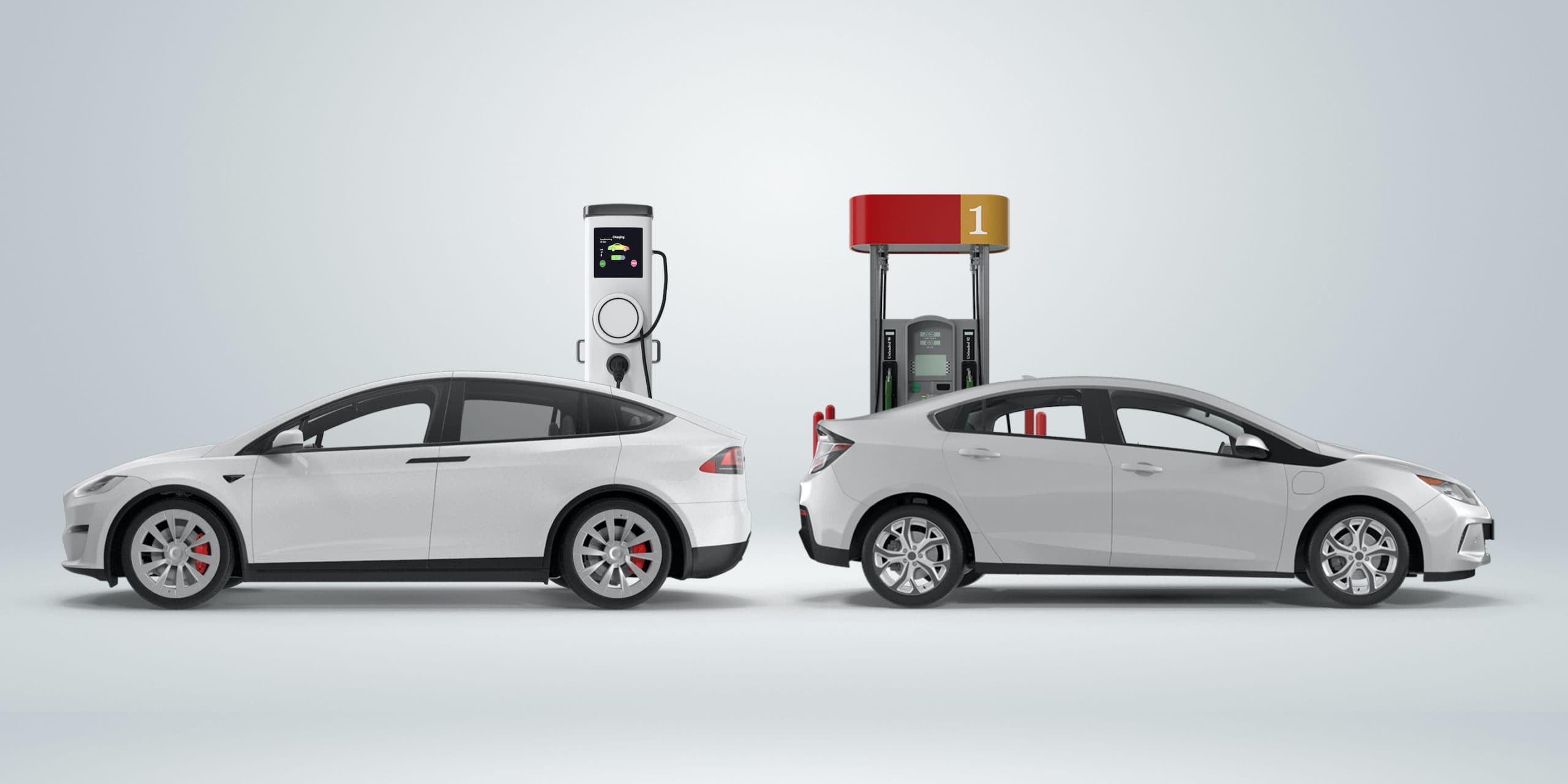
The automotive industry has reached an inflection point where the question isn't whether to embrace electrification but rather which form of electrification best serves your actual needs. Pure electric vehicles (EVs) and hybrid vehicles (including plug-in hybrids) both promise reduced emissions, lower operating costs, and participation in the inevitable transition away from pure combustion engines. Yet they deliver these benefits through fundamentally different approaches that create distinct ownership experiences, practical compromises, and suitability for different use cases.
In 2026, with both technologies mature and widely available across price ranges and vehicle segments, the choice between electric and hybrid has moved beyond early adopter enthusiasm or environmental virtue signaling into pragmatic territory where the correct answer depends entirely on your specific circumstances: where you live, how you drive, what infrastructure you can access, and what compromises you're willing to accept in exchange for the benefits each technology delivers.
Understanding the Technologies: More Than Just Battery Size
The distinction between electric and hybrid vehicles goes deeper than simply how much battery capacity they carry. The fundamental architecture and operating philosophy differ in ways that cascade through every aspect of ownership and use.
Pure Electric Vehicles (BEVs): These vehicles contain only electric motors for propulsion, large battery packs (typically 50-100+ kWh capacity), and no combustion engine whatsoever. Every kilometer driven uses electricity stored in the battery, which must be replenished through charging from external power sources. Examples span from affordable models like the Tesla Model 3 to luxury options like the Mercedes EQS and performance vehicles like the Porsche Taycan. The experience is simple: charge the battery, drive until it depletes, charge again. No fuel stations, no oil changes, no transmission maintenance—just electrons and electric motors.
Hybrid Vehicles (HEVs): Traditional hybrids like the Toyota Prius or Honda Accord Hybrid combine a combustion engine (usually gasoline) with electric motor(s) and a small battery pack (typically 1-2 kWh). The electric motor assists the combustion engine, captures energy during braking through regeneration, and can power the vehicle alone at low speeds for short distances. You never plug these vehicles in—the battery charges only through the combustion engine and regenerative braking. You fuel them at gas stations like conventional cars, but they achieve dramatically better fuel economy through the electric assistance and optimized engine operation.
Plug-In Hybrid Vehicles (PHEVs): These represent the middle ground, combining combustion engines with larger battery packs (typically 10-25 kWh) that can be charged from external power sources. Examples include the BMW X5 xDrive45e, Mercedes C300e, and various other models across segments. PHEVs can drive 40-80 kilometers on electric power alone before the combustion engine activates, then operate as traditional hybrids once battery depletes. You can charge them at home or public chargers, gaining electric-only commuting capability, or simply fuel them at stations and use them as very efficient hybrids.
The key distinction is operational flexibility. Pure EVs require charging infrastructure and planning around battery range. Traditional hybrids require no behavior change from combustion car ownership. PHEVs offer both electric and combustion capability but add complexity and weight from carrying two complete propulsion systems plus substantial battery capacity.
The Case for Electric: When Pure EVs Make Perfect Sense
Pure electric vehicles deliver compelling benefits in the right circumstances, making them the optimal choice for drivers whose use patterns and infrastructure access align with EV strengths.
Operating Cost Advantages: Electricity costs substantially less than gasoline per kilometer driven. In the UAE where government subsidizes electricity but not fuel, the difference is dramatic. Charging a Tesla Model 3 Long Range at home might cost 15-20 AED to replenish 400 kilometers of range. The same distance in an equivalent gasoline sedan consumes 25-30 liters at approximately 100 AED total cost. Over 20,000 annual kilometers, the EV saves roughly 4,000-5,000 AED in energy costs alone.
The maintenance savings compound these energy savings. EVs have no oil changes, no transmission services, no spark plugs, no air filters, no exhaust systems to corrode or fail. The regenerative braking means brake pads and rotors last dramatically longer. The scheduled maintenance consists primarily of tire rotations, cabin filter replacements, and occasional brake fluid changes. Over typical ownership periods, EVs save thousands in maintenance costs compared to combustion vehicles requiring regular oil changes, transmission services, and the various maintenance items that combustion complexity demands.
Performance Characteristics: Electric motors deliver torque instantly and completely from zero RPM, creating acceleration that feels more dramatic than equivalent horsepower combustion engines. A Tesla Model 3 Performance accelerates 0-100 km/h in 3.1 seconds, matching or exceeding exotic supercars costing multiples of its price. But even basic EVs feel responsive and quick because electric motor torque delivery doesn't require waiting for transmissions to downshift or engines to build RPM.
The silence is profound, particularly at low speeds where combustion engines are most audible. Luxury EVs achieve cabin quietness that traditional luxury cars struggle to match because there's no engine vibration or exhaust noise to suppress. The drive experience feels futuristic and refined in ways that combustion vehicles cannot replicate regardless of engineering sophistication.
Environmental Benefits: While the energy that charges EVs often comes from fossil fuel power plants, the centralized generation is more efficient than millions of individual combustion engines, and the grid progressively incorporates renewable energy that further improves the environmental equation. The zero direct emissions benefit urban air quality regardless of how the electricity was generated. For environmentally conscious buyers, pure EVs deliver the clearest conscience and the strongest environmental argument.
The Home Charging Advantage: For owners with dedicated parking and the ability to install home charging equipment, EVs transform the fueling experience from chore to convenience. You leave home every morning with "full tank" without ever visiting fuel stations. This convenience is profound once you experience it—no more planning gas station stops, no standing in heat pumping fuel, no detours on your routes. The car charges while you sleep or work, and it's always ready when you are.
The Technology Experience: EVs tend to showcase the latest technology because the electric platform enables features that combustion architecture complicates. Over-the-air software updates improve vehicles after purchase. Advanced driver assistance systems leverage the electrical architecture's capabilities. The integration of charging planning into navigation systems and sophisticated energy management creates user experiences that feel more like consumer electronics than traditional automobiles.
The Case Against Electric: Where EVs Still Fall Short
Despite genuine advantages, pure electric vehicles face limitations that make them problematic or unsuitable for significant portions of potential buyers, particularly in certain geographic contexts and use patterns.
Range Anxiety and Charging Infrastructure: The UAE's charging infrastructure has improved substantially but remains inadequate compared to the ubiquitous fuel station network. Dubai has decent coverage in urban areas and along major routes. Abu Dhabi is developing infrastructure aggressively. But secondary cities, remote areas, and the distances between emirates create genuine challenges. A Dubai-to-Fujairah-to-RAK-to-Al-Ain loop covers 600+ kilometers with limited charging options in some areas, creating range stress that combustion vehicles never face.
The charging time itself remains problematic regardless of infrastructure density. Fast DC charging can replenish 80% of battery capacity in 20-40 minutes under optimal conditions, but this still represents substantial time investment compared to five-minute fuel stops. For road trips or days with multiple long drives, the charging stops accumulate into hours of wait time that busy schedules cannot accommodate. Home charging solves this for daily use but doesn't address the occasional long-distance travel that most households undertake.
Climate Impact on Range: The UAE's extreme heat is brutally punishing for EV range. Battery thermal management systems must work constantly to keep cells within optimal temperature ranges, consuming power that doesn't contribute to forward motion. The air conditioning loads in 45°C summers are substantial, draining batteries significantly faster than mild climate operation. Real-world summer range often falls 25-30% below advertised figures, meaning a 400-kilometer rated EV might deliver 280-300 kilometers in UAE summer conditions. Winter months improve efficiency, but the majority of the year sees compromised range that affects trip planning and charging frequency.
Upfront Cost Premium: Despite falling battery prices, EVs still command premium pricing compared to equivalent combustion vehicles. A base Tesla Model 3 costs approximately 180,000 AED. A comparable gasoline sedan (BMW 330i, Genesis G70, Lexus IS) costs 150,000-170,000 AED with more standard equipment and established dealer networks. The operating cost savings eventually offset the premium, but the break-even point typically requires 5-7 years of ownership. For buyers with shorter ownership horizons or those unable to absorb higher purchase prices, the premium creates genuine barrier to entry.
Resale Value Uncertainty: The used EV market remains immature with unclear depreciation patterns. Battery degradation affects resale values in ways that are difficult to predict or quantify. A five-year-old EV might retain 80% of its original battery capacity, but how does this affect value? What about eight or ten years when capacity falls to 70% or less? The combustion car resale market has decades of data informing valuations. The EV market lacks this historical context, creating uncertainty for buyers concerned about eventual resale values.
Apartment and Rental Living Challenges: For UAE residents in apartments or rental properties without dedicated parking and charging capability, EV ownership becomes logistically challenging or impossible. Relying entirely on public charging means incorporating charging stops into your routine, eliminating the convenience advantage that home charging provides. Some newer developments include charging infrastructure, but vast portions of UAE housing stock lack the electrical infrastructure and parking arrangements that EV ownership assumes.
The Case for Hybrids: Bridging the Gap Without Compromise
Hybrid vehicles, whether traditional HEV or plug-in PHEV varieties, offer compelling middle-ground solutions that deliver substantial benefits without the limitations that make pure EVs problematic for many buyers.
Zero Range Anxiety: Hybrids eliminate range concerns completely because the combustion engine provides unlimited range limited only by fuel tank size and fuel station availability. You never plan routes around charging infrastructure or worry whether you'll reach your destination before battery depletion. This psychological freedom is profound—you simply drive where you want, when you want, confident that fuel stations will be available if needed. For buyers who travel frequently between emirates, visit remote locations, or simply don't want range planning as part of their vehicle ownership experience, hybrids eliminate this concern entirely.
Fuel Economy Improvements: Modern hybrids achieve fuel consumption 30-50% better than equivalent combustion vehicles through the electric motor assistance, regenerative braking, and optimized engine operation. A Toyota Camry Hybrid achieves approximately 5.5 liters/100km in mixed driving where the standard Camry consumes 8-9 liters/100km. Over 20,000 annual kilometers, this saves roughly 500-700 liters annually, translating to 1,500-2,000 AED in fuel costs. The savings aren't as dramatic as pure EVs, but they're meaningful without requiring behavior changes or infrastructure dependence.
Familiar Ownership Experience: Hybrids require no adaptation from conventional car ownership. You fuel them at gas stations using the same infrastructure you've always used. The maintenance schedule includes familiar services (oil changes, transmission fluid) plus the hybrid system components that typically require minimal attention. There's no learning curve about charging etiquette, no apps to manage charging sessions, no planning routes around charger locations. For buyers who want environmental and efficiency benefits without lifestyle changes, hybrids deliver this completely.
Lower Purchase Premiums: Hybrids cost less than equivalent EVs while still commanding premiums over pure combustion vehicles. A Toyota Camry Hybrid costs approximately 8,000-12,000 AED more than the standard Camry—a premium that fuel savings recoup within 2-3 years of typical driving. A Honda Accord Hybrid commands similar premium over the standard Accord. These premiums are manageable and justified by relatively quick payback periods, unlike EV premiums that require longer ownership to offset.
Plug-In Hybrid Flexibility: PHEVs offer the best of both worlds for buyers with charging access. Drive your 40-60 kilometer daily commute on electric power charged overnight at home, using zero gasoline for daily operations. Then use the combustion engine for longer trips without range anxiety or charging stops. The flexibility is genuine—you get EV-like operation for routine driving but maintain unlimited range capability when needed. For many buyers, this compromise delivers 80% of pure EV benefits while eliminating 100% of the range anxiety.
Climate Resilience: Hybrids aren't immune to heat, but the impact is far less severe than pure EVs because the majority of propulsion comes from the combustion engine rather than battery. The small battery in traditional hybrids means thermal management draws negligible energy. Even PHEVs with larger batteries aren't as affected because you can simply use the combustion engine when electric range disappoints. The summer efficiency drop that plagues EVs barely affects hybrids, meaning year-round performance remains consistent.
The Case Against Hybrids: Where Compromises Hurt
Despite genuine advantages, hybrid vehicles carry their own limitations and compromises that make them suboptimal for certain buyers and use cases.
Mechanical Complexity: Hybrids carry two complete propulsion systems—a combustion engine with all its complexity plus electric motor(s), battery pack, power electronics, and sophisticated control systems managing the interaction. This complexity creates more potential failure points than either pure combustion or pure electric vehicles. While modern hybrids have proven reliable, the additional components and systems introduce maintenance items and potential repairs that pure EVs avoid and combustion vehicles don't share.
Compromised Efficiency Relative to EVs: While hybrids are dramatically more efficient than combustion vehicles, they can't match pure EV efficiency because they still burn fuel with all the energy losses combustion entails. A Tesla Model 3 traveling 100 kilometers consumes approximately 15-16 kWh of electricity costing perhaps 4-5 AED at UAE residential rates. A Camry Hybrid covers the same distance burning 5.5 liters of fuel costing approximately 18-20 AED. The hybrid is far better than combustion, but it's still 4x more expensive to operate than the EV. For high-mileage drivers or those prioritizing minimum operating costs, hybrids represent significant compromise.
Environmental Compromise: Hybrids burn gasoline, producing emissions that pure EVs avoid (ignoring upstream electricity generation). For environmentally motivated buyers, hybrids represent partial solution rather than complete commitment. The environmental benefits are real compared to combustion vehicles, but they're modest compared to pure electric operation. Buyers seeking maximum environmental impact reduction must acknowledge that hybrids are steps in the right direction rather than complete solutions.
Weight Penalties: Carrying both combustion and electric propulsion systems plus battery capacity means hybrids are heavier than equivalent combustion vehicles. A Camry Hybrid weighs approximately 150 kilograms more than the standard Camry. This weight affects handling dynamics, braking performance, and tire wear. The differences are manageable and most buyers won't notice, but enthusiast drivers who prioritize handling precision find the weight penalty more noticeable than efficiency-focused buyers care about.
PHEV Specific Challenges: Plug-in hybrids face unique issues combining both EV and hybrid compromises. They're expensive (often approaching pure EV pricing), heavy (carrying both complete propulsion systems plus substantial battery), and complex (introducing charging behavior requirements while maintaining combustion maintenance needs). For buyers without charging access, a PHEV operates as an expensive, heavy traditional hybrid that never uses its electric capability. For buyers with charging access, a PHEV delivers less electric range than pure EVs while costing nearly as much.
The PHEV value proposition requires specific circumstances: regular access to charging, daily driving within electric range, occasional need for long-range capability, and willingness to pay premium pricing. These criteria exclude substantial portions of potential buyers, leaving PHEVs as excellent solutions for narrow use cases rather than broadly optimal choices.
The UAE Context: How Local Factors Affect the Calculation
The decision between electric and hybrid takes on specific characteristics in UAE context that differ from other markets due to climate, infrastructure, fuel pricing, and usage patterns.
The Charging Infrastructure Reality: The UAE's charging network has improved substantially over the past few years. DEWA operates public chargers throughout Dubai. ADNOC is deploying fast chargers along highways and in Abu Dhabi. Private operators add capacity regularly. However, the network remains inconsistent—Dubai has reasonable coverage, Abu Dhabi is improving rapidly, but secondary cities and remote areas have sparse infrastructure. For residents who drive primarily within well-covered areas, the infrastructure is adequate. For those who regularly travel to less-developed emirates or remote locations, infrastructure limitations remain genuine concern.
The Heat Challenge: The UAE's summer heat is among the world's most extreme, and this affects EVs more severely than other climates. Battery thermal management systems work overtime keeping cells cool, draining power continuously. The AC loads are substantial given the need to cool large cabin volumes from 60°C+ interior temperatures down to comfortable levels. Real-world summer range often disappoints relative to advertised figures in ways that milder climates don't experience. This factor alone makes hybrids more practical for many UAE drivers who cannot tolerate the range unpredictability that extreme heat creates.
The Fuel Pricing: UAE gasoline prices, while no longer heavily subsidized, remain relatively low by global standards at approximately 2.90-3.30 AED per liter depending on octane and monthly adjustments. This reduces the operating cost advantage that EVs enjoy in markets with expensive fuel. The gap between EV and hybrid operating costs is still significant, but it's not as dramatic as in Europe where fuel costs 6-8 AED per liter. For cost-focused buyers, the savings from choosing EV over hybrid are meaningful but not overwhelming.
The Driving Distances: UAE residents often cover substantial distances in daily driving—commutes between emirates, weekend trips to mountains or beaches, regular travel between cities for business or leisure. These patterns favor the unlimited range that hybrids provide over EVs that require planning and charging for longer trips. While EVs work fine for shorter urban driving, the longer distances common in UAE usage create more scenarios where range becomes concern.
The Housing Stock: Substantial portions of UAE residents live in apartments or villas without dedicated parking and charging infrastructure. For these residents, EV ownership means relying entirely on public charging, eliminating the convenience advantage that home charging provides. Hybrids avoid this complication entirely, making them more practical for the significant population without home charging access.
The Luxury Market Focus: The UAE's vehicle market skews toward luxury and premium segments more than most countries. The premium positioning actually favors EVs because the price premiums become less significant as percentages of total vehicle costs. A 30,000 AED premium on a 200,000 AED vehicle is 15%—substantial but not overwhelming. The luxury buyer profile also correlates with villa residence (enabling home charging) and multiple vehicle households (allowing EV to serve specific purposes while another vehicle handles use cases EVs serve poorly).
Specific Use Case Analysis: Which Technology Fits Your Life
The abstract comparison of technologies matters less than understanding which solution serves your specific circumstances and usage patterns.
Urban Commuter with Home Charging: If you drive primarily within a single city, have dedicated parking with charging capability, and rarely make trips beyond the urban area, pure EVs are optimal. You'll charge at home, never visit fuel stations, enjoy minimal operating costs, and find the range adequate for daily needs. The occasional longer trip might require planning or fast charging stops, but 90% of your driving will be effortless and economical. This use case represents pure EV's sweet spot where all advantages apply and limitations rarely affect you.
Multi-City Commuter or Frequent Traveler: If you regularly drive between emirates, make weekend trips to mountains or beaches, or travel unpredictably for business, hybrids eliminate the range planning and charging logistics that EVs introduce. You simply drive where you need to go, fuel when convenient, and never worry about whether charging infrastructure exists at your destination. The fuel cost savings aren't as dramatic as EVs, but the convenience and flexibility justify the compromise. This use case highlights hybrid strengths while exposing EV limitations.
Apartment Dweller Without Home Charging: Without dedicated parking and charging access, EV ownership becomes logistically challenging unless you're willing to rely entirely on public charging infrastructure. This introduces regular inconvenience that offsets many of EV's advantages. Hybrids eliminate this complication entirely, making them clearly superior choice for this living situation. The only exception is if your workplace provides charging and you commute daily, allowing workplace charging to substitute for home charging.
Multiple Vehicle Household: Families or individuals with multiple vehicles can optimize by having one EV for daily commuting and local driving, plus one hybrid or combustion vehicle for longer trips and situations where EV range or charging would be limiting. This approach captures EV's maximum benefits for use cases it serves perfectly while maintaining unlimited capability through the second vehicle. The two-vehicle solution costs more but delivers optimal functionality across all scenarios.
High-Mileage Driver: For drivers covering 30,000+ kilometers annually, the operating cost differential between EVs and hybrids becomes substantial. The fuel savings and maintenance reductions compound dramatically at high mileage, making EV's higher purchase price pay back faster. However, this assumes most mileage occurs within EV's comfortable range and charging infrastructure is adequate for your routes. High-mileage driving on routes with sparse charging infrastructure might favor hybrids despite higher operating costs.
Environmental Priority Buyer: For buyers motivated primarily by environmental concerns, pure EVs deliver strongest environmental benefits despite upstream electricity generation emissions. However, hybrids offer meaningful environmental improvements over combustion vehicles while avoiding EV's practical limitations. The calculation depends on whether you prioritize maximum environmental impact (favoring EVs despite compromises) or prefer meaningful improvement without lifestyle changes (favoring hybrids).
The Technology Trajectory: How 2026-2030 Changes the Equation
The static 2026 comparison will shift as technologies continue developing and infrastructure improves through the rest of the decade.
Battery Technology Evolution: Solid-state batteries promise higher energy density (more range from same weight), faster charging (potentially 10-15 minute charge times), improved safety, and longer lifespan. These batteries are in development by multiple manufacturers with production beginning late this decade. When they arrive, many current EV limitations diminish or disappear—range anxiety reduces, charging times approach fuel station convenience, and battery longevity concerns evaporate. This technology wave favors long-term EV adoption as limitations that currently make hybrids preferable for many buyers become less significant.
Charging Infrastructure Expansion: The UAE government and private operators continue deploying charging infrastructure aggressively. By 2030, the network will likely approach fuel station coverage density in urban areas and along major routes, making EVs practical for driving patterns that currently favor hybrids. The infrastructure improvement benefits pure EVs dramatically while barely affecting hybrids that never depended on charging infrastructure. For buyers in 2026, the question becomes whether to choose based on current infrastructure (favoring hybrids) or anticipated future infrastructure (favoring EVs).
Regulatory Pressures: Governments worldwide are implementing increasingly stringent emissions regulations, and some are announcing combustion engine phase-out dates ranging from 2030-2040. While the UAE hasn't announced specific phase-out timelines, the global regulatory trend affects which vehicles manufacturers develop and sell. Hybrid availability might decline toward the end of the decade as manufacturers focus development resources on pure EVs that satisfy long-term regulatory certainty. For buyers in 2026, this suggests that EVs might have longer market support and model availability than hybrids.
Price Parity Timeline: Battery costs continue declining through manufacturing scale and technology improvements. Multiple analyses suggest EVs will reach purchase price parity with combustion vehicles (and by extension, hybrids) by 2028-2030. At that point, the current price premium that favors hybrids disappears, removing one of hybrid's key advantages. Combined with improving infrastructure and battery technology, the 2028-2030 timeframe might represent inflection point where pure EVs become clearly superior for most buyers rather than the mixed picture that exists in 2026.
The Verdict: Both Have Their Place, Choose Based on Your Reality
In 2026, neither pure electric nor hybrid vehicles are universally superior. Both represent mature technologies that serve different needs and priorities. The optimal choice depends entirely on your specific circumstances, usage patterns, and what compromises you're willing to accept.
Choose Pure Electric If:
- You have home charging capability or reliable workplace charging
- Your daily driving is within comfortable range (under 250-300km most days)
- You can tolerate occasional charging stops on longer trips
- You prioritize minimum operating costs and maximum environmental benefit
- You value cutting-edge technology and the electric driving experience
- You live in areas with adequate charging infrastructure
Choose Hybrid If:
- You lack home charging access or it's impractical to install
- You regularly drive long distances or between emirates frequently
- You prioritize convenience and flexibility over minimum operating costs
- You want efficiency improvements without behavior changes
- You're uncomfortable with range planning and charging logistics
- You live in areas with limited charging infrastructure
Consider Plug-In Hybrid If:
- You have home charging AND regularly drive beyond pure EV range
- Your daily driving is within electric range but you occasionally need longer range
- You want electric benefits without pure EV's range limitations
- You're willing to pay premium pricing for maximum flexibility
- You understand you're getting complexity of both technologies
The decision in 2026 is genuinely personal. Market forces and technology evolution suggest pure EVs will become increasingly compelling through 2030 as limitations diminish and infrastructure improves. But in 2026, hybrid technology remains relevant and appropriate for substantial portions of buyers for whom pure EV limitations outweigh the benefits.
For Dubai residents with villas and charging access who drive primarily urban routes, pure EVs are often optimal. For apartment dwellers who commute between emirates regularly, hybrids eliminate complications while delivering meaningful efficiency. For luxury buyers with multiple vehicles, having both in the household captures maximum benefits.
The era of black-and-white answers is over. The correct choice is the one that matches your specific circumstances, recognizes your actual usage patterns, and accepts the tradeoffs that all technologies currently require. Both pure electric and hybrid vehicles represent progress over pure combustion. Which represents better progress for you depends on questions only you can answer about where you live, how you drive, and what you value most in your vehicle ownership experience.