


JOURNAL
Car Rental Deposits in Dubai - How the Blocked Amount Works
By Alaa Halabi
Updated
Car Rental Deposits in Dubai: What the Blocked Amount Is and When You Get It Back
The deposit is the single most misunderstood part of renting a car in Dubai, and the confusion is understandable: a large sum vanishes from your available credit at handover and does not come back for weeks. Nothing has been taken from you. Here is exactly what happens, and when.
A Deposit Is a Hold, Not a Payment
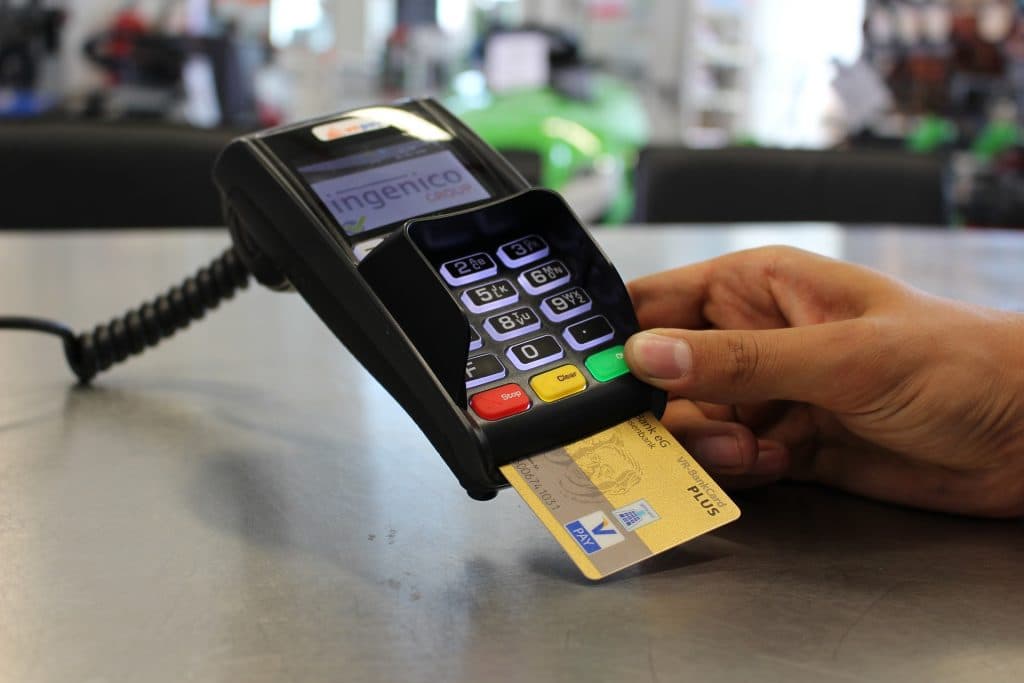
The deposit is a guarantee, not a charge. It is placed on your credit card using the pre-authorisation function on the bank's card terminal — the same mechanism hotels use at check-in.
The practical difference matters. A charge moves money out of your account and into ours. A pre-authorisation does neither: the amount is blocked on your card, so we cannot take it and you cannot spend it. It sits frozen until it is released.
That is why the deposit does not appear as a transaction on your statement. Your bank will show it as a reduction in your available credit rather than as a payment, which is also why some customers cannot find it when they go looking.
How Much Is Held
The amount is not fixed. It varies with two things:
- The category of the car. A supercar carries a higher hold than a mid-range sedan, for the obvious reason that the downside risk is larger.
- The insurance option you choose. A higher insurance tier reduces the exposure and therefore the deposit. Our guide to rental insurance in Dubai explains how the tiers differ.
Because it moves with both variables, ask for the specific figure for your car and insurance combination when you book, rather than assuming a standard amount.
When It Is Taken
At delivery, not at booking. The sequence is:
- The car arrives at your location.
- You inspect it and confirm you are happy with its condition.
- We complete the paperwork.
- The pre-authorisation is placed on your credit card.
The inspection comes before the hold on purpose. If something is wrong with the car, that is the moment to say so — not after the paperwork is signed.
What It Can Be Used For
We are only permitted to draw against the deposit for specific, evidenced reasons:
- Damage to the vehicle during your rental period
- Traffic fines issued against the car while you had it
- Speeding tickets recorded by Dubai's radar network
- Salik tolls accrued during the rental — Dubai's gates are automatic and bill after the fact, as the Salik system guide explains
That list is the whole list. In the absence of one of those, the hold is released untouched. It is not a fee, it is not part of the rental price, and it is not something we can dip into for anything else.
When You Get It Back
The deposit is unblocked 30 days after you receive the car, provided there is no reported damage and no outstanding fees to settle.
Thirty days is longer than most people expect, and it is not us being slow. Traffic fines and Salik charges in the UAE do not appear instantly — they can take weeks to filter through to the vehicle's record. The holding window exists so that a fine issued on your last day does not surface after the deposit has already been released.
Two things to understand about the release:
It is automatic. We do not need to do anything to trigger it, and you do not need to chase us. The pre-authorisation simply expires and your bank restores the available credit.
Your bank controls the timing of the last step. Once the hold lapses, how quickly the funds show as available again depends on your card issuer, not on us. Most restore it within a day or two.
If the Deposit Has Not Come Back
If more than 30 days have passed and the amount is still blocked, work through it in this order:
- Call your bank or credit card company first. In most cases the hold has already lapsed on our side and the delay is in the issuer's processing.
- Ask them specifically whether they can see any transaction from the rental company. This is the diagnostic question — it separates "the hold expired and we haven't updated your balance" from anything else.
- If they cannot see any transaction from us, contact us. Get in touch and we will help resolve it from our end.
Why the Returned Amount Sometimes Differs
If part of the deposit was legitimately debited — for a fine or for damage — the amount you get back will obviously be reduced by that sum.
Less obviously, the figure can differ slightly even when nothing was charged. The deposit is held in AED. If your card is denominated in another currency, your bank converts at the rate on the day of the hold and again at the rate on the day of release. Exchange rates move in between. On a large deposit held for a month, that can produce a small discrepancy in your home currency that has nothing to do with the rental.
Avoiding the Hold Entirely
For some cars and insurance tiers, a no-deposit rental is available. You pay a higher insurance premium and no pre-authorisation is placed on your card at all.
Whether that is worth it depends on your situation. If a large hold would consume most of your credit limit for a month, or you need that headroom for the rest of your trip, paying the premium is usually the better trade. Ask about the no-deposit option specifically when booking — it is not always offered by default.
Before You Book
Two things to settle in advance, both of which prevent the common surprises: confirm the exact deposit figure for your chosen car and insurance tier, and confirm whether a no-deposit option exists for it. Our guides to how to rent a car in Dubai and the complete luxury rental guide cover the rest of the process.
Browse the fleet, or contact us with your dates and we will give you the deposit figure upfront rather than at handover.