


JOURNAL
Renting a Car in Fujairah
By Alaa Halabi
Renting a Car in Fujairah: Gateway to the UAE's Wild Eastern Coast
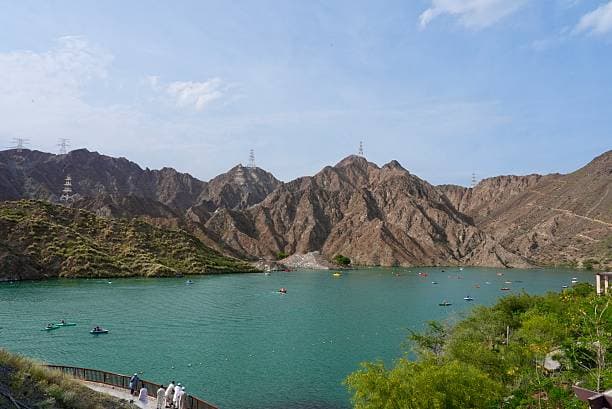
Delivery & Collection for a rental car in Fujeirah costs an extra fee of 700 AED. Fujairah occupies territory unlike any other UAE emirate. While the rest of the country faces the Arabian Gulf with its calm waters and endless sandy coastlines, Fujairah sits on the eastern coast confronting the Gulf of Oman and the Indian Ocean beyond. The Hajar Mountains rise dramatically behind the city, creating landscapes of rugged peaks, deep wadis, and terraced villages that feel worlds apart from the desert flatlands defining the western emirates. The water here is clearer, the marine life more abundant, the beaches rockier and more dramatic, and the entire environment carries a wild, untamed character that Dubai's manicured developments can never replicate.
For visitors to Fujairah, whether drawn by world-class diving and snorkeling, mountain hiking and wadi exploration, historical forts and archaeological sites, or simply the escape from the UAE's urban intensity, car rental transforms from convenience into absolute necessity. Fujairah's attractions scatter across coastal areas and mountain valleys connected by roads that wind through terrain ranging from sea level to mountain passes exceeding 1,000 meters elevation. Public transportation is essentially nonexistent for tourist purposes. Taxis work for single destinations but become prohibitively expensive when exploring multiple sites across the emirate's diverse geography. The rental car becomes the key that unlocks Fujairah's treasures, enabling the exploration that reveals why this eastern emirate captivates travelers seeking the UAE's wild side.
Why Fujairah Demands Different Rental Thinking
Fujairah's geographic isolation and environmental distinctiveness create transportation considerations that differ fundamentally from renting cars in the western emirates or even the northern coastal emirates.
The Distance Reality: Fujairah sits approximately 130 kilometers from Dubai via the E44 highway through the mountains, or 165 kilometers via the E88/E99 coastal route. Either journey takes 90-120 minutes depending on traffic and your specific origin and destination. This distance means Fujairah exists in practical isolation from the UAE's population centers—you're committing to genuine travel rather than merely driving across emirate borders that blur together along the western coast. For visitors, this isolation is precisely the appeal, but it also means the rental car becomes your lifeline rather than optional convenience.
The Mountain Factor: The Hajar Mountains dominate Fujairah's geography, creating driving conditions that demand more attention and capability than the flat western emirates. The main highway through the mountains (E44) is well-engineered with multiple lanes, but the secondary roads accessing wadis, villages, and mountain attractions range from excellent paved routes to rough tracks requiring 4x4 capability. The elevation changes affect engine performance and fuel consumption, the curves demand smooth driving and attention, and the sheer drops from road edges require focus that coastal highway driving doesn't demand.
The Marine Environment: Fujairah's positioning on the Gulf of Oman creates dramatically different coastal environment from the western emirates. The water is clearer because stronger currents from the Indian Ocean flush the coast. The coral reefs are healthier and more abundant. The marine life includes species you won't encounter in Arabian Gulf waters. The beaches are rockier and more dramatic rather than the endless sandy stretches defining the west coast. This environment attracts divers, snorkelers, and water sports enthusiasts specifically seeking what Fujairah offers that other emirates cannot match. Your rental car provides access to the dive sites, beach areas, and coastal attractions that define the Fujairah experience.
The Climate Advantage: Fujairah receives more rainfall than western emirates due to orographic effects from the mountains forcing moisture to precipitate. The emirate stays slightly cooler in summer (though still very hot by most standards) and significantly more pleasant in winter. The increased moisture supports greater vegetation, creating greener landscapes than the stark desert characterizing most of the UAE. This climate difference matters for outdoor activities—hiking wadis, exploring mountains, and beach time remain more tolerable during months when western emirates become survival challenges.
Vehicle Selection: Matching Capability to Mountains and Coast
The vehicle choice for Fujairah requires more careful consideration than flat urban emirates because your intended activities and specific destinations directly impact which vehicle type makes sense.
Mid-Size Sedans for Main Routes and Coastal Access: If your Fujairah plans focus on the city area, developed beaches, paved coastal routes, and major attractions accessible via maintained roads, mid-size sedans (Toyota Camry, Honda Accord, Nissan Altima) provide everything you need. These vehicles handle the mountain highway from Dubai confidently despite the elevation changes and curves, offer adequate power for passing slower vehicles on two-lane coastal roads, and deliver fuel efficiency that matters given the substantial distances you'll cover. The daily rates of 120-150 AED from Fujairah-based companies or 150-180 AED from Dubai companies represent reasonable value.
The limitation is that sedans restrict you to paved routes. The wadis requiring dirt road access, the mountain villages connected by rough tracks, and the most remote coastal areas become inaccessible or require violating rental agreements that prohibit off-road driving. For many Fujairah visitors focused on diving, beach time, and main attractions, this limitation is acceptable. For those wanting comprehensive exploration including mountain adventures, different vehicles become necessary.
SUVs and Crossovers for Expanded Access: Vehicles like the Toyota Fortuner, Nissan X-Trail, or similar SUVs provide elevated ride height, better approach angles for rough roads, and capability to handle maintained dirt roads that access certain wadis and mountain areas. These vehicles expand your range significantly, opening destinations that sedans cannot safely reach. The Wadi Wurayah National Park, certain village routes in the mountains, and some of the more isolated beach access points become feasible with SUV capability.
The daily rates of 180-250 AED reflect the expanded capability, and fuel consumption increases approximately 40-50 percent compared to sedans. The question becomes whether you'll actually utilize the additional capability enough to justify the premium. If your itinerary includes multiple wadi explorations, mountain village visits, or off-the-main-route destinations, SUVs make sense. If you're primarily sticking to coastal diving, developed beaches, and paved routes to major attractions, you're paying for capability you won't use.
True 4x4s for Serious Mountain and Wadi Exploration: For visitors planning extensive wadi exploration, reaching remote mountain villages, accessing the most isolated coastal areas, or pursuing genuine off-road adventure, proper 4x4 vehicles (Toyota Land Cruiser, Nissan Patrol, Jeep Wrangler) become necessary. These vehicles provide ground clearance exceeding 200mm, low-range gearing for steep grades and challenging terrain, robust construction for rough conditions, and rental agreements that explicitly permit off-road use.
The daily rates of 300-450 AED reflect both capability and suitability for uses that risk damage. However, several critical considerations apply: First, confirm your agreement explicitly permits off-road driving rather than assuming 4x4 specification grants permission. Second, understand that off-road damage often isn't covered even by comprehensive insurance, leaving you liable for repair costs. Third, serious off-road driving requires specific skills—rock crawling in wadis, navigating loose surfaces on mountain tracks, and managing water crossings demand experience that rental car novices typically lack.
The honest assessment for most Fujairah visitors is that proper 4x4 capability exceeds actual needs. The accessible attractions, main wadis, and coastal areas don't require Land Cruiser capability. The premium paid for these vehicles goes largely unused unless you have genuine off-road experience and specific plans for challenging terrain that moves well beyond maintained routes.
The Rental Process: Fujairah vs Dubai Pickup
The decision about where to rent—Fujairah locally or Dubai before driving over—creates strategic considerations affecting convenience and cost.
Renting in Fujairah: The local rental market includes several established companies serving both residents and visitors. The rates typically run 20-30 percent below Dubai equivalents for comparable vehicles. The selection is adequate though not as extensive as Dubai's massive market. The pickup process is straightforward with the same documentation requirements (passport with visa, driver's license or IDP as required by nationality, credit card for deposit). The advantage is lower costs and starting your exploration immediately upon arrival rather than driving through mountains in an unfamiliar rental car immediately after pickup.
The disadvantage is reaching Fujairah to pick up the car. If you're flying into Dubai, you must arrange transport from Dubai to Fujairah (bus, taxi, or friend) before accessing your rental. The intercity bus service is inexpensive but time-consuming with multiple stops. Taxis cost 300-400 AED one-way. This logistics challenge makes Fujairah pickup most practical for visitors who arrive via other means or who are based in northern emirates and drive their own vehicles to Fujairah for the rental pickup.
Renting in Dubai and Driving Over: This approach provides immediate mobility from your Dubai hotel or the airport, allowing you to control timing and routes. The disadvantage is paying Dubai rental rates (20-30 percent higher than Fujairah) for the entire rental duration including all your Fujairah-based days. For multi-day Fujairah stays, this premium compounds significantly. A week-long rental might cost 150-200 AED more per day from Dubai versus Fujairah companies, accumulating to 1,000-1,400 AED in additional costs over seven days.
The drive from Dubai to Fujairah via the E44 mountain highway is straightforward and scenic, though demanding attention particularly if you're unfamiliar with mountain driving. The route climbs to approximately 600 meters elevation through dozens of curves before descending to Fujairah's coastal plain. Standard sedans handle it confidently, but the drive requires focus and smooth inputs rather than the autopilot cruise control that flat highways allow. First-time drivers on this route should allow extra time and avoid night driving when the curves and elevation become more challenging to navigate.
The Strategic Calculation: For short visits (1-2 days), Dubai rental makes sense despite the premium because the convenience and logistics simplicity justify the cost. For extended stays (5+ days), Fujairah rental saves enough money to justify the pickup logistics complications. For mid-length visits (3-4 days), the decision depends on your specific circumstances, arrival logistics, and tolerance for complexity versus cost savings.
Navigating Fujairah: Roads, Mountains, and Coastal Routes
Fujairah's road network reflects the challenging geography and relatively sparse development, creating driving environment that's more adventurous and less predictable than western emirates.
The E44 Mountain Highway: This is the primary route connecting Dubai to Fujairah, climbing through the Hajar Mountains via well-engineered multi-lane highway. The road is excellent quality with clear lane markings, good sight lines through curves, and adequate width for comfortable passing. Speed limits range from 100-120 km/h, though enforcing the actual limit plus 20 km/h tolerance. The drive is genuinely scenic with dramatic mountain landscapes, occasional villages, and roadside vendors selling fresh honey and mountain products.
The key to safe mountain highway driving is maintaining appropriate speeds through curves, using the correct gear for grades (particularly on descents where engine braking prevents brake overheating), and staying alert for slower vehicles that necessitate passing on limited straight sections. The route becomes more challenging in darkness when depth perception suffers and curves are harder to judge, and during rare rain when grip decreases and flash flood risks increase in lower sections.
The Coastal Routes: Fujairah's coast runs roughly north-south with the main road (variously numbered E99 and E97) connecting communities from Dibba in the north to Kalba in the south. This route alternates between modern multi-lane highway through developed areas and older two-lane roads through villages and coastal stretches. The speed limits range from 60 km/h in towns to 100-120 km/h on open highway sections.
The coastal drive is spectacular when you actually see the coast—unfortunately, much of the route runs slightly inland with only occasional ocean glimpses. The access to specific beaches, dive sites, and coastal attractions requires turning off the main road onto side routes that range from well-marked paved roads to unmarked dirt tracks. Navigation requires paying attention to landmarks and sometimes making exploratory turns when GPS becomes vague about exactly where beach access or attractions are located.
Wadi Access Roads: The wadis (dry riverbeds that cut through mountains) provide hiking, swimming holes, and natural exploration opportunities that define the Fujairah experience. The access roads to popular wadis like Wadi Wurayah or routes to swimming spots vary dramatically in quality. Some are fully paved to parking areas with facilities. Others start paved but transition to graded dirt requiring careful sedan navigation. The most remote wadis require rough tracks where only capable 4x4 vehicles should venture.
The critical rule is understanding where your rental agreement permits driving and honestly assessing both the road conditions and your driving capability. Getting stuck or damaged in wadis creates expensive problems that enthusiasm cannot solve. Local knowledge helps tremendously—asking at hotels, checking with dive shops or tour operators, or reading recent trip reports online provides intel about which wadis are accessible to standard vehicles and which require 4x4 capability.
Mountain Village Routes: The Hajar Mountains hide numerous small villages connected by roads ranging from excellent paved routes to rough graded tracks. Villages like Masafi sit on main routes and are easily accessible. More remote villages in the mountains require navigating secondary roads where quality varies. These routes reward exploration with spectacular views, traditional architecture, and glimpses of mountain life, but they demand attention and sometimes require backtracking when roads become too rough for your vehicle's capability.
Fujairah's Essential Destinations: Where Your Rental Car Enables Discovery
Fujairah's attractions justify rental car investment through their distribution across coastal and mountain territories that other transportation cannot practically serve.
The Diving and Snorkeling Sites: Fujairah's marine environment is the UAE's finest for underwater activities. Sites like Snoopy Island (named for its profile resembling the cartoon dog), Dibba Rock, and numerous other locations along the coast support healthy coral reefs and abundant marine life. The dive shops are scattered along the coast, each accessing different sites. Your rental car provides the flexibility to work with different operators, reach shore dive sites independently if you're certified and have equipment, and explore multiple beach areas to find the clearest water and best conditions.
The diving here is genuinely world-class by regional standards—visibility often exceeds 15-20 meters, water temperatures remain comfortable year-round (though wetsuits are advisable winter months), and the marine biodiversity includes reef fish, rays, occasional sharks, turtles, and even whale shark sightings during migration seasons. Having rental car flexibility means you can move to different sites if conditions at one location are suboptimal, or simply explore the coast to find the perfect beach for surface interval relaxation between dives.
Wadi Wurayah National Park: This protected area includes Fujairah's only permanent waterfall and some of the UAE's most pristine mountain environments. The park requires advance booking and permits through the Emirates Wildlife Society, and access is limited to protect the sensitive ecosystems. The drive to the park requires navigating mountain roads that become rougher as you approach, with the final sections best suited to SUVs or 4x4s depending on recent weather and road conditions.
The reward is hiking through wadi environments with flowing water, swimming in natural pools beneath the waterfall, and experiencing mountain wilderness that feels impossible in the UAE's developed emirates. The park is genuine highlight for nature-focused visitors, but accessing it requires the advance planning, proper vehicle capability, and rental car flexibility that makes the experience possible.
Fujairah Fort and Heritage Sites: Fujairah Fort, one of the UAE's oldest and most impressive fortifications, sits on a hill overlooking the city. The Fujairah Museum provides archaeological and historical context for the region. The Bithnah Fort and various other heritage sites scatter across the emirate. Each requires dedicated drives to reach, but collectively they tell the story of Fujairah's strategic importance in controlling mountain passes and coastal trade routes throughout history. Your rental car converts these from isolated locations into coherent narrative through the ability to visit multiple sites in logical sequence.
Al Aqah Beach and Resort Area: This developed beach area north of Fujairah city includes several resorts, beach clubs, and diving operations clustered along a particularly attractive stretch of coast. The area provides convenient access to quality beaches, water sports, and dining without requiring resort stays—several beach clubs welcome day visitors for reasonable entry fees. The rental car enables treating this as base for daily beach activities while maintaining accommodation flexibility elsewhere that might be more affordable or suit different preferences.
Dibba and the Northern Coast: The town of Dibba actually straddles the borders of three emirates (Fujairah, Sharjah, and Musandam governorate of Oman), creating interesting administrative complexity that's irrelevant to visitors but speaks to the region's complicated political geography. The area offers spectacular mountain-meets-sea scenery, diving sites including the famous Dibba Rock, and the jumping-off point for dhow cruises to Musandam's fjords (though that requires different planning and permits).
The drive from Fujairah city to Dibba covers approximately 60 kilometers of coastal road that's scenic and well-maintained. The area feels more remote and less developed than southern Fujairah, providing the wild character that attracts visitors specifically seeking escape from the UAE's urban areas.
Masafi and the Friday Market: Masafi sits at the junction where the mountain highway splits toward Fujairah and RAK, making it natural stop for travelers. The Masafi Friday Market (actually open daily despite the name) offers traditional carpets, pottery, honey, and various products in authentic market environment that hasn't been sanitized for tourism. The town is famous for its bottled water brand using spring water from the mountains. Stopping here breaks up the mountain drive and provides glimpse of small-town UAE life away from coastal development.
Strategic Considerations: Fujairah as Destination or Day Trip
The decision about how to incorporate Fujairah into your UAE itinerary significantly affects whether rental car investment makes sense and which specific rental strategy serves you best.
Fujairah as Primary Destination: For visitors drawn specifically by diving, mountain hiking, wadi exploration, or simply seeking the UAE's wild side, dedicating 4-7 days based in Fujairah makes complete sense. The rental car becomes your constant companion, enabling daily exploration of different wadis, dive sites, beaches, and mountain areas. The accommodation costs in Fujairah run 30-50 percent below Dubai equivalents for comparable quality, and the daily expenses (dining, activities) are similarly more affordable. The total trip cost for week in Fujairah with rental car often equals 3-4 nights in Dubai staying at comparable standard.
The tradeoff is isolation from urban amenities and entertainment. Fujairah is quiet, particularly evenings when the limited dining and entertainment options make early nights standard practice. For visitors who value natural beauty, outdoor activities, and escape from urban intensity, this is feature rather than bug. For those wanting luxury, entertainment variety, or constant stimulation, Fujairah becomes boring quickly regardless of how beautiful the mountains and coast are.
Fujairah as Weekend Escape from Dubai: Many Dubai residents rent cars for weekend trips to Fujairah, typically driving Friday morning and returning Sunday evening. This works excellently for diving weekends, beach relaxation, or simply escaping Dubai's intensity for 48 hours. The rental car enables the round trip and provides local mobility for exploring different dive sites or beaches. The weekend approach captures Fujairah's best attributes (nature, coast, diving) while avoiding the reality that extended stays reveal limited activities beyond these core appeals.
Fujairah as Day Trip: Some Dubai-based visitors attempt Fujairah day trips, driving over in the morning and returning evening. This is logistically possible but questionable value—you'll spend 3-4 hours driving for perhaps 4-5 hours actually in Fujairah. This might work if you have very specific goal (diving at one site, visiting the fort and museum, or seeing a particular location), but it doesn't allow the breadth of exploration that justifies the drive. Day trips work better for closer destinations; Fujairah rewards longer stays that allow proper exploration without rush.
The Multi-Emirate Road Trip: Fujairah works excellently as component of broader UAE exploration that includes multiple emirates. A typical itinerary might start in Dubai, drive to Fujairah for 3-4 days of diving and wadis, continue north through RAK for mountain activities, then return via the coastal route through smaller emirates. The rental car enables this flexibility while Fujairah provides the outdoor and marine elements that complement rather than compete with southern emirates' different appeals.
Practical Tips for Fujairah Rental Success
Mountain Driving Preparation: If you're unfamiliar with mountain driving, understand the basics before tackling the E44 or smaller mountain routes. Use lower gears on steep descents to provide engine braking rather than riding brakes constantly. Take curves at reduced speeds allowing proper sight lines and margin for error. Pull into designated viewpoints rather than stopping on the road for photographs. The roads are generally safe and well-engineered, but they punish inattention or excessive speed with consequences more severe than flat highway errors.
Wadi Safety: Never enter wadis if rain is forecast or if you see storm clouds over the mountains. Flash floods can occur with terrifying speed, filling dry wadis with raging water in minutes. People die in UAE wadi flash floods almost every year, typically caught by surprise when rain falling in mountains sends flood waves down wadis where the ground is dry. If you're in a wadi and notice water starting to flow or increase, leave immediately via the safest route even if it means abandoning plans. Your life matters more than any photograph or experience.
Diving Logistics: If diving is primary focus, communicate with dive operators about timing and locations before committing to specific accommodation locations. The coast stretches 70+ kilometers and diving operations are scattered throughout. Staying near your preferred dive operator saves daily driving time and enables flexible dive schedules. Most operators offer equipment rental if you're not traveling with gear, and many offer PADI certification courses if you're learning during the trip.
Heat Management: Fujairah is hot April through October despite being slightly cooler than western emirates. Carry substantial water, particularly for wadi hiking or mountain exploration where you might be far from facilities. The combination of heat, humidity from coastal location, and physical exertion from hiking creates dehydration risks faster than you expect. Plan strenuous activities for early morning or late afternoon during hot months, and never underestimate how quickly the environment can overcome unprepared visitors.
Border Awareness: Several interesting locations in the Dibba area and northern Fujairah sit close to Oman borders or require routes that cross into Omani territory. Understand where borders are (they're not always obvious or marked clearly) and whether your rental agreement permits entering Oman (most don't without specific arrangements and additional insurance). Some marine activities including dhow cruises to Musandam involve entering Omani waters, requiring different permissions that your rental company needs to arrange in advance.
Cell Coverage: Fujairah's developed areas have excellent cell coverage, but mountains and wadis have gaps where connectivity disappears. Download offline maps before venturing into wadis or mountain routes. Inform someone of your plans including expected return time if exploring remote areas. While UAE is generally very safe, mechanical problems or injuries in areas without cell service create situations where you cannot call for help. Basic precautions prevent problems from becoming emergencies.
The Verdict: Fujairah Rewards Adventure Seekers and Nature Lovers
Renting a car for Fujairah makes sense for specific visitor profiles: divers and snorkelers drawn by the UAE's best marine environments, outdoor enthusiasts seeking mountain hiking and wadi exploration, travelers wanting escape from urban intensity and development, and curious visitors who value the wild side of the UAE over its famous architectural achievements and luxury shopping.
The rental process requires deciding between Dubai pickup (convenient, expensive) or Fujairah pickup (logistically complex, cheaper). The vehicle selection must match your actual plans—sedans for main routes and beaches, SUVs for expanded wadi access, or 4x4s if you have genuine off-road experience and specific plans for challenging terrain.
The driving environment is more demanding than flat coastal emirates—mountain highways require attention, wadi access roads need careful assessment, and the distances between attractions mean substantial time in vehicles. But the rewards justify the effort: diving among healthy coral reefs, hiking wadis with flowing water and waterfalls, experiencing mountains that rise dramatically from the sea, and discovering the UAE's untamed side that development hasn't reached.
Fujairah won't appeal to visitors seeking luxury, entertainment variety, or urban convenience. The emirate is quiet, somewhat isolated, and focused on natural rather than architectural attractions. But for those seeking exactly what Fujairah offers—wild coast, dramatic mountains, pristine wadis, and escape from the UAE's famous intensity—the rental car becomes the key that unlocks experiences impossible to find anywhere else in the country.
The mountains await, rising from the Gulf of Oman in dramatic folds that shelter wadis and villages unchanged by decades of development elsewhere. The coast beckons with clear water over coral reefs hosting marine life that thrives away from the Arabian Gulf's challenging conditions. The wadis call to hikers willing to venture beyond paved roads into wilderness that feels impossible in this developed nation. Fujairah demands wheels to reveal these treasures, and those who arrive with rental cars and adventurous spirits discover the UAE's wild side that most visitors never know exists.