


JOURNAL
Renting a Car in Ras Al Khaimah
By Alaa Halabi
Renting a Car in Ras Al Khaimah: Your Gateway to the UAE's Hidden Adventure Paradise
Regarding Renting a car in the UAE, we can deliver to Ras Al-Khaimah for 700 AED, and it includes collection as well when you are done with the car. Ras Al Khaimah occupies the northernmost reaches of the UAE, a position that places it geographically and culturally distinct from the urban intensity of Dubai and Abu Dhabi. While those emirates race toward architectural superlatives and relentless modernization, RAK (as locals abbreviate it) maintains a different character: dramatic mountain landscapes that dominate the horizon, authentic fishing villages that predate the oil boom, archaeological sites revealing millennia of human habitation, and outdoor adventure opportunities that the southern emirates simply cannot match. This is the UAE that existed before skyscrapers and shopping malls, preserved in a package that's accessible yet refreshingly uncommercialized.
For visitors to Ras Al Khaimah, whether drawn by the mountains, the beaches, the history, or simply the escape from Dubai's relentless energy, car rental transitions from convenient option to essential requirement. RAK's attractions spread across territories that public transportation barely serves and taxis access expensively. The freedom to explore mountain roads, discover hidden beaches, reach archaeological sites, and pursue outdoor activities on your own schedule transforms RAK from a brief hotel-based escape into genuine adventure that rewards curiosity and independence.
Why Ras Al Khaimah Demands Different Rental Thinking
Ras Al Khaimah's appeal lies precisely in what it lacks: the dense urban development, the endless traffic, the tourist infrastructure that defines southern emirates. This creates paradise for visitors seeking authentic experiences and outdoor adventure, but it also creates transportation challenges that differ fundamentally from renting cars in Dubai or Abu Dhabi.
The Geography Factor: RAK spans from sea level beaches along the Arabian Gulf to Jebel Jais, the UAE's highest peak at 1,934 meters elevation. The distance from coastal hotels to mountain attractions approaches 60 kilometers of winding roads that climb through dramatic terrain. The archaeological sites at Shimal and other locations scatter across the emirate. The beaches range from developed hotel fronts to completely undeveloped stretches accessible only via unmarked dirt tracks. No single location provides easy access to everything; the rental car becomes the tool that unlocks RAK's geographic diversity.
The Infrastructure Reality: RAK has one major highway (E11) connecting it to the rest of the UAE, plus network of internal roads ranging from excellent modern highways to aging two-lane routes that require attention and reduced speeds. Public bus service exists but operates on schedules designed for residents' commuting needs rather than tourists' exploration patterns. Taxis are available in the main city but become scarce or expensive when reaching outlying areas, mountain routes, or beach locations beyond the developed resort zones.
The Cost Advantage: Rental rates in RAK run 20-40 percent below Dubai equivalents, reflecting lower operating costs and less competitive market density. A mid-size sedan that costs 150-180 AED daily in Dubai might rent for 100-130 AED in RAK, and monthly rates offer even more dramatic savings. For visitors planning extended stays or those driving to Dubai and other emirates from RAK base, these savings compound significantly over rental duration.
The Adventure Access: RAK's outdoor attractions—mountain hiking trails, via ferrata courses, ziplines, off-road tracks, kayaking locations, and undeveloped beaches—require vehicles that can reach trailheads, parking areas, and access points that vary from paved parking lots to rough tracks requiring careful navigation. The rental car specifications you choose directly impact which experiences you can access safely and legally.
Vehicle Selection: Matching Capability to RAK's Demands
The vehicle choice for RAK-based rental requires more thoughtful consideration than urban emirate rentals. Your intended activities, the specific locations you want to reach, and your tolerance for adventure versus comfort all influence what you should rent.
Standard Sedans for Coastal and Urban RAK: If your RAK visit focuses on hotels along the developed coastline, the main city area, and major attractions like Jebel Jais via paved roads, standard sedans (Toyota Corolla, Honda Civic, Nissan Altima) provide everything you need. These vehicles handle the mountain road to Jebel Jais confidently despite the elevation gain and curves—the route is completely paved and well-maintained, requiring no off-road capability. The fuel efficiency is excellent for the substantial kilometers you'll accumulate exploring RAK and potentially driving to Dubai or other emirates. The daily rates of 90-120 AED make extended rentals affordable.
However, standard sedans limit you to paved routes. The undeveloped beaches accessible via dirt tracks, the archaeological sites requiring rough road navigation, and any desert excursions become impractical or explicitly violate rental agreements that prohibit off-pavement driving. If your RAK experience will be curated and focused on developed attractions, sedans work fine. If you want discovery and access to less-developed areas, you need different equipment.
Crossovers and SUVs for Expanded Access: Vehicles like the Toyota RAV4, Nissan X-Trail, or similar crossovers provide elevated ride height, better approach angles for rough roads, and all-wheel-drive capability that opens RAK's less-developed attractions. These vehicles can handle the graded dirt roads to certain beaches, the access tracks to some wadis (dry riverbeds that become hiking routes), and archaeological sites where pavement gives way to maintained dirt surfaces.
The important distinction is that crossovers are not true off-road vehicles despite their appearance. They lack the ground clearance, low-range gearing, and rugged construction that proper 4x4 vehicles provide. Attempting serious off-road driving in crossovers risks getting stuck, damaging the vehicle, and voiding rental agreements that explicitly prohibit off-road use regardless of vehicle type. The daily rates of 140-180 AED represent meaningful premium over sedans, justified only if you'll actually utilize the expanded capability rather than merely wanting the SUV aesthetic.
True 4x4s for Desert and Mountain Adventure: For visitors planning serious off-road exploration, desert driving, or accessing RAK's most remote attractions, proper 4x4 vehicles (Toyota Land Cruiser, Nissan Patrol, Jeep Wrangler) become necessary. These vehicles provide the ground clearance, approach/departure angles, low-range gearing, and structural strength that off-road conditions demand. More importantly, rental agreements for these vehicles typically explicitly allow off-road driving, which standard rental agreements prohibit regardless of vehicle capability.
The daily rates of 250-400 AED reflect both the vehicles' capability and their suitability for uses that risk damage. However, several considerations apply: First, confirm that your rental agreement explicitly permits off-road driving rather than assuming 4x4 specification implies permission. Second, understand that off-road damage often isn't covered by standard insurance, leaving you liable for repair costs if things go wrong. Third, off-road driving requires specific skills and knowledge that most rental customers lack—getting a Patrol stuck in soft sand creates expensive problems that enthusiasm cannot solve.
For most RAK visitors, the honest assessment is that proper 4x4 capability exceeds actual needs. The accessible attractions, developed beaches, paved mountain routes, and maintained dirt roads don't require Land Cruiser capability. The premium paid for these vehicles goes largely unused unless you genuinely plan serious desert or mountain exploration that moves beyond maintained routes into proper adventure territory.
The Rental Process: Documentation and RAK-Specific Considerations
The basic rental requirements in RAK mirror those throughout the UAE: tourists need passports with valid visas, driver's licenses or International Driving Permits as required by nationality, and credit cards for deposits. UAE residents need their Emirates ID, UAE driver's license, and credit cards. The process doesn't differ fundamentally from Dubai or other emirates.
However, RAK's smaller rental market creates some practical differences. The international chains (Budget, Hertz, Thrifty) maintain limited presence in RAK, typically with offices near the main hotels or the airport. The local RAK rental market includes numerous small operators ranging from professional to questionable. Unlike Dubai where competition and oversight maintain relatively high standards even among smaller companies, RAK's market includes operators with old vehicles, unclear insurance terms, and business practices that create problems for unwary customers.
Finding Reliable RAK Rental Companies: The key is research and realistic expectations about pricing. Rates that seem impossibly low probably are—a 2020+ model mid-size sedan with reasonable mileage and proper insurance cannot profitably rent for 60-70 AED daily. Companies advertising such rates either operate very old vehicles, include hidden fees in final bills, or employ aggressive damage claim practices that negate the apparent savings. Rates of 100-140 AED daily for decent recent sedans represent legitimate pricing in RAK's market; anything substantially below this should trigger skepticism.
Reading recent Google reviews specific to RAK locations helps identify which companies maintain standards and which create problems. Look for patterns in reviews: multiple mentions of hidden fees, damage claim disputes, or poor vehicle conditions indicate companies to avoid. Conversely, consistent reports of fair treatment, clear terms, and well-maintained vehicles identify safer choices among local operators.
Insurance Clarity is Essential: The same insurance considerations apply in RAK as elsewhere in the UAE—standard agreements include liability coverage but substantial deductibles (1,500-3,000 AED typically) for collision damage. CDW (Collision Damage Waiver) reduces or eliminates your financial exposure in exchange for daily fees. What becomes particularly important in RAK is understanding whether your insurance covers off-road driving if that's part of your plan. Most standard policies explicitly exclude off-road damage even in 4x4 vehicles, meaning any damage occurring off pavement leaves you liable for full repair costs regardless of whether you purchased CDW.
Navigating RAK: Roads, Routes, and Mountain Driving
Ras Al Khaimah's road network divides into distinct categories that require different approaches and awareness.
The E11 Highway: This major route connects RAK to the southern emirates, running along the coast through Umm Al Quwain and eventually reaching Dubai. The highway is modern, well-maintained, and typically fast-moving outside of peak commute times. The speed limit is 120-140 km/h with standard 20 km/h tolerance before cameras trigger fines. The drive from RAK to Dubai takes 60-90 minutes depending on traffic and your specific origin and destination points within each emirate.
The strategic consideration for RAK-based visitors is that every trip to Dubai becomes 120-180 kilometer round trip minimum, plus whatever you drive within Dubai. This accumulates quickly—three Dubai trips during a week-long RAK stay means 500+ kilometers beyond your RAK-internal driving. This matters for fuel costs, wear on the vehicle, and time spent in cars rather than experiencing destinations.
The Jebel Jais Mountain Road: The route from RAK city to Jebel Jais, the UAE's highest peak and home to spectacular viewpoints, hiking trails, and the world's longest zipline, is one of the country's most dramatic drives. The road is completely paved and excellently maintained, climbing nearly 2,000 meters through dozens of hairpin turns and switchbacks that require attention and smooth inputs rather than aggressive driving.
Standard sedans handle the route without difficulty, though the curves and elevation changes challenge vehicles with weak engines or poor brakes. The key is patience—the road demands reduced speeds, and attempting to rush creates safety risks. The scenery rewards the journey as much as the summit destinations, with views becoming increasingly spectacular as elevation increases. Allow 60-90 minutes each way from coastal hotels, longer if you stop for photographs at the numerous viewpoints.
The temperature drops approximately 6°C per 1,000 meters of elevation gain, meaning Jebel Jais is noticeably cooler than the coast—a blessing during summer when the summit might be 28°C while the coast suffers through 42°C. In winter, particularly December through February, the summit can approach freezing, and very rarely receives light snow that creates traffic chaos as UAE residents unfamiliar with such conditions attempt to drive on icy roads. Checking conditions before ascending in winter prevents being trapped by road closures or dangerous conditions.
Internal RAK Roads: The roads within RAK proper range from modern multi-lane highways to older two-lane routes through villages and along the coast. The quality varies, with some routes showing age through patched pavement, faded lane markings, and rougher surfaces. Speed limits typically range from 60-100 km/h, with extensive camera coverage enforcing limits throughout the emirate.
Particular attention is required on rural routes where livestock, pedestrians, and slower vehicles appear unexpectedly. The areas north of RAK city, heading toward the border with Oman, become increasingly rural with less traffic and more traditional character. These routes reward exploration but demand alertness and reduced speeds compared to modern highways.
Off-Road Considerations: If you've rented a 4x4 with explicit off-road permission, understand that RAK's desert and mountain tracks vary from well-established routes suitable for experienced drivers to extremely challenging terrain requiring expertise and equipment. The soft sand in desert areas requires specialized driving techniques—deflating tires, maintaining momentum, and understanding recovery procedures when you inevitably get stuck. The mountain wadis include rough rocky surfaces, steep grades, and water crossings during rainy season that present entirely different challenges.
Unless you have genuine off-road experience and understand the risks, stick to established routes that others clearly use regularly. The pristine desert or mountain track that looks inviting might become trap that leaves you stuck hours from help with limited cell coverage and rental car you're liable for damaging. RAK's adventure opportunities are genuine, but they require respecting your limitations and the equipment's capabilities rather than treating off-road driving as something you can learn while doing it in a rental vehicle.
RAK's Essential Destinations: Where Your Rental Enables Discovery
Ras Al Khaimah's attractions justify the rental car investment by being spread across territories that would be prohibitively expensive or logistically impossible to reach otherwise.
Jebel Jais and Mountain Activities: The mountain offers multiple experiences accessible only by personal vehicle. The Jebel Jais Flight, the world's longest zipline, requires reaching the launch point at 1,680 meters elevation. The Jebel Jais Via Ferrata, a climbing route with fixed cables and ladders, starts from accessible parking but requires vehicle to reach. The hiking trails at various elevations all have trailhead parking areas that buses don't serve. The viewing decks offering spectacular panoramas across the mountains require driving the entire mountain road and navigating to specific parking areas.
Your rental car provides the flexibility to visit early morning before tour groups arrive, to stay through sunset when the views become magical, or to make multiple visits if weather or schedules don't cooperate on first attempt. The independence to explore at your pace rather than tour schedule transforms Jebel Jais from checked-box attraction to genuine experience.
Archaeological and Heritage Sites: RAK's history stretches back thousands of years, evidenced by sites like Dhayah Fort, the hilltop fortification offering 360-degree views, and the Shimal archaeological site where excavations reveal settlement dating to 2000 BCE. The RAK National Museum provides context for the region's history but the actual sites scattered across the emirate require vehicle access to reach.
Many of these locations have small parking areas but no facilities, no tour groups, no crowds—just the sites themselves and the visitors who made the effort to find them. The rental car converts these from difficult-to-reach footnotes into legitimate attractions worth visiting and worth the time to appreciate properly.
Beaches Beyond the Hotels: RAK's coastline includes developed hotel beaches and resort areas, but also dozens of kilometers of undeveloped beaches accessible via dirt tracks of varying quality. Al Rams Beach north of the city offers relatively easy access to unspoiled sand. Other beaches require navigating unmarked tracks through mangroves or along coast, arriving at completely undeveloped stretches where you might be the only people for kilometers.
These experiences exist only for those with vehicles capable of reaching them and rental agreements that permit the access. The privacy, the natural beauty, the sense of discovery all reward the effort far more than another crowded hotel beach could provide.
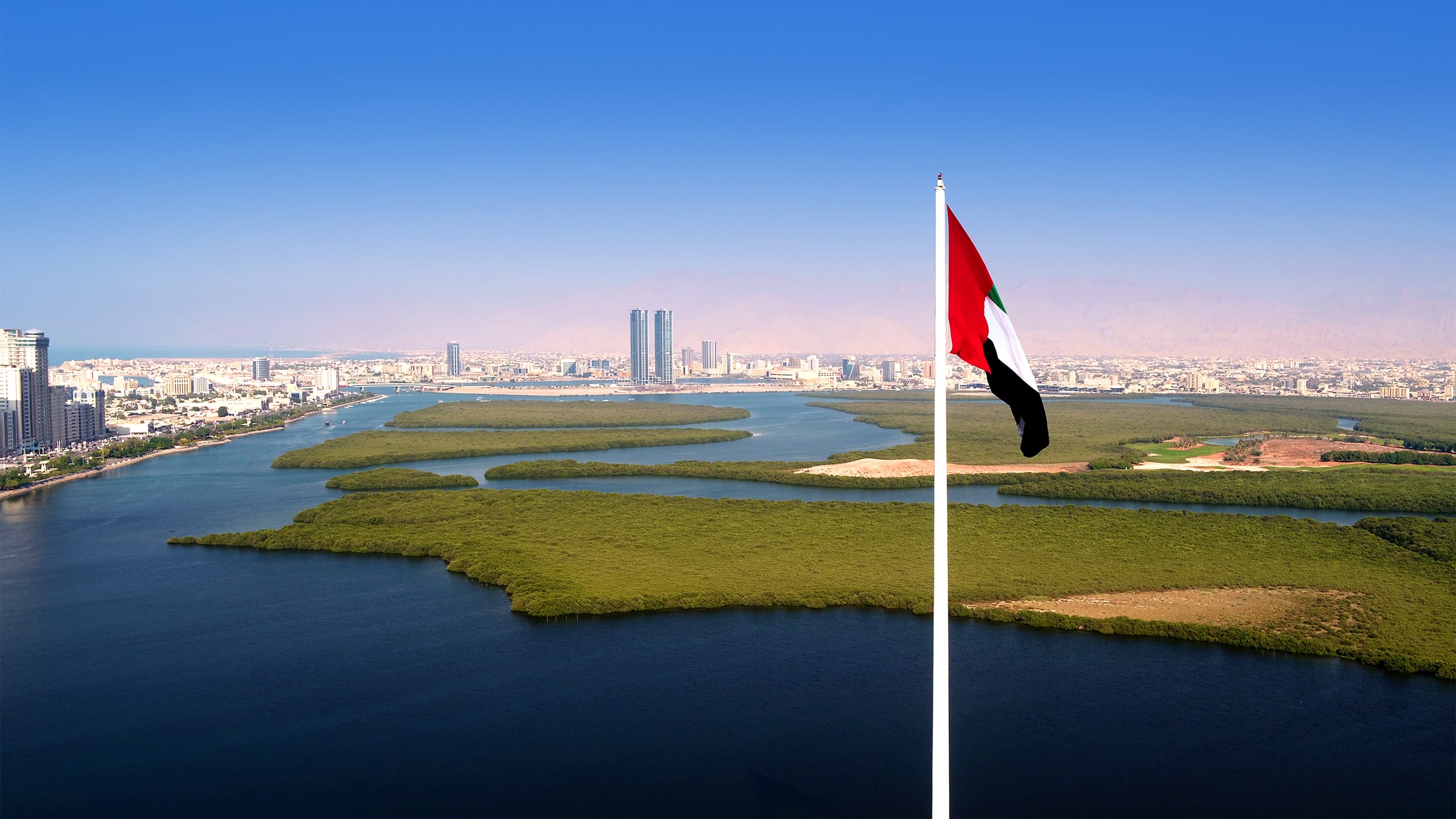
Mangrove and Nature Areas: The Khor Khuwair mangrove area and other natural environments provide kayaking, birdwatching, and nature experiences that RAK's desert-and-mountain image wouldn't suggest. Reaching these areas requires personal vehicles, and experiencing them rewards visitors seeking UAE's natural environments rather than only architectural achievements.
Strategic Considerations: RAK as Base or Destination
The decision about renting in RAK versus other emirates depends on your itinerary, priorities, and how RAK fits into your overall UAE visit.
RAK as Primary Destination: For visitors specifically coming for mountain activities, beach relaxation away from Dubai's intensity, outdoor adventure, or extended stays seeking affordable bases for UAE exploration, RAK-based rental makes complete sense. The lower costs for both rental and accommodation, the access to unique landscapes and experiences, and the escape from urban intensity all justify basing yourself in RAK and driving to other emirates when desired.
The tradeoffs are real: you're 90 minutes from Dubai's attractions, you miss the energy and entertainment that southern emirates provide, and you're committed to substantial driving if you want to experience the full UAE rather than only RAK. For some visitors these are acceptable compromises; for others they're dealbreakers.
RAK as Day Trip from Dubai: Many Dubai-based visitors rent cars and drive to RAK for day trips, particularly to Jebel Jais. This works well for experiencing specific attractions but doesn't allow the depth of exploration that staying in RAK enables. The 180-kilometer round trip Dubai-RAK-Dubai plus whatever you drive within RAK means substantial time in vehicles rather than experiencing destinations.
The Multi-Emirate Road Trip: RAK works excellently as part of itineraries that combine multiple emirates—perhaps Dubai for arrival and urban experiences, RAK for mountains and nature, Fujairah's east coast for Gulf of Oman beaches, and Abu Dhabi before departure. The rental car enables this flexibility while RAK provides the outdoor and adventure elements that complement rather than compete with southern emirates' different appeals.
Practical Tips for RAK Rental Success
Book Direct with Verified Companies: Given RAK's smaller market and less oversight compared to Dubai, booking through reputable companies becomes even more important. International chains provide predictability. Local companies with established presence and good reviews provide value. Random small operators advertising on social media or through unclear websites create risks that small savings don't justify.
Fuel Strategy: RAK has adequate fuel stations along main routes but they're less dense than Dubai's urban coverage. Fill up before mountain drives to Jebel Jais—the summit has no fuel, and running low on mountain roads creates stressful situations. The fuel prices are identical throughout the UAE (government-controlled), so there's no price-shopping advantage to waiting for specific locations.
Mountain Driving Preparation: If you're unfamiliar with mountain driving, understand the basics: use engine braking (lower gears) on descents to avoid overheating brakes, take curves at reduced speeds allowing for proper sight lines, and pull into designated viewpoints rather than stopping on the road for photographs. The Jebel Jais road is well-engineered and safe when driven attentively, but it punishes distraction or excessive speed.
Weather Awareness: RAK's weather varies more than southern emirates due to the elevation range. Summer temperatures at the coast match Dubai's brutal heat, but Jebel Jais offers 10-15°C cooler conditions that make outdoor activities tolerable when the coast is unbearable. Winter brings pleasant temperatures coastally and occasionally cold conditions at elevation. Rain is rare but occurs primarily December through February, creating flash flood risks in mountain wadis and making off-road tracks impassable. Checking forecasts before mountain or desert excursions prevents being caught in dangerous conditions.
Cell Coverage: RAK's developed areas have excellent cell coverage, but mountainous regions and remote coastal areas have gaps where connectivity disappears. Download offline maps before heading to isolated areas, and inform someone of your plans if venturing into areas where cell service might be unavailable. The UAE is generally very safe, but mechanical problems or getting stuck in areas without coverage creates situations where you can't call for help.
Border Proximity: RAK's northern regions approach the border with Oman, and some attractive-looking roads or tracks lead toward or across the border. Ensure you stay within UAE territory unless you've specifically arranged Oman entry permissions, which require different insurance coverage and documentation than UAE-only rental agreements provide. GPS maps sometimes show routes crossing borders that rental agreements don't permit using.
The Verdict: RAK Rentals for Discovery and Adventure
Renting a car in Ras Al Khaimah makes sense for specific visitor profiles: outdoor enthusiasts drawn by mountains and adventure activities, travelers seeking authentic UAE experiences beyond urban luxury, budget-conscious visitors wanting affordable bases for extended UAE exploration, and anyone willing to exchange convenience for discovery and natural beauty that southern emirates cannot provide.
The rental experience requires more attention than Dubai's standardized processes—more careful company selection, more thorough vehicle inspection, more explicit verification of insurance and permitted usage. But the rewards justify the attention: access to landscapes and experiences that define the UAE beyond skyscrapers, freedom to explore at your own pace rather than tour schedules, and the satisfaction of discovering places that mass tourism hasn't homogenized into predictable experiences.
RAK's appeal lies in what it's not: it's not Dubai's relentless energy, it's not Abu Dhabi's cultural monuments, it's not the tourist-optimized experiences that package the UAE into convenient but sanitized presentations. It's mountains that required millions of years to form, archaeology revealing millennia of human presence, beaches where development hasn't yet arrived, and adventures that reward initiative rather than merely requiring payment.
Your rental car is the key that unlocks this version of the UAE. Whether you rent a practical sedan for paved-road exploration, a crossover for expanded access, or a proper 4x4 for genuine adventure depends on your ambitions and your tolerance for pushing beyond comfortable territory. But regardless of vehicle choice, the freedom to explore independently transforms RAK from place to briefly visit into destination that reveals the UAE's depth and diversity to those willing to look beyond the obvious.
The roads await, climbing to mountains that touch clouds, following coasts that development hasn't reached, leading to discoveries that reward curiosity more than wealth. Ras Al Khaimah demands wheels to reveal its secrets, and those who arrive with rental cars and adventurous spirits find rewards that no amount of luxury hotels or organized tours can replicate.